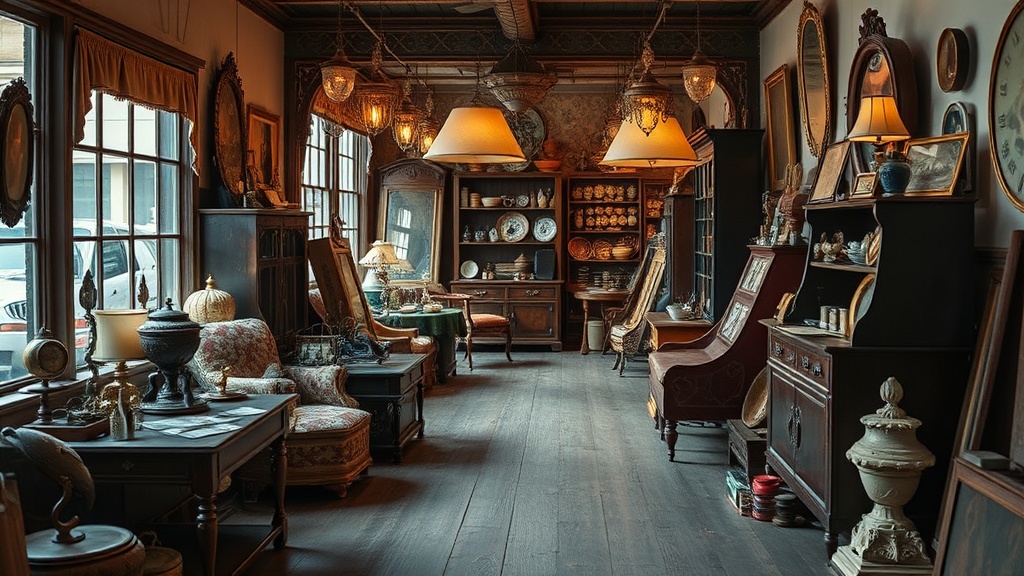
A Weekend of Local Treasures at the Antique Shops

Many people think antique shopping in Southwestern Ontario is just about dusty shelves and overpriced knick-knacks. That's a mistake. If you know where to look, local antique shops in and around Aylmer serve as high-density hubs for genuine mid-century modern furniture, rare Canadiana, and high-quality vintage tools that actually hold their value. This post covers the specific types of finds you can expect this weekend, the best way to scout for quality, and how to spot a real deal versus a markup.
Aylmer isn't just a stop on the way to somewhere else. It's a destination for collectors. Whether you're hunting for a specific piece of Pyrex or a heavy cast iron skillet, the local inventory changes fast.
What Should You Look for in an Antique Shop?
You should look for items made from high-quality materials like solid wood, brass, or heavy stoneware rather than modern plastic imitations. Quality is often found in the weight and the grain of the material. If you pick up a piece of furniture and it feels light or hollow, it's likely a veneer or a modern reproduction. Real vintage pieces have a heft to them—a physical presence that modern manufacturing often lacks.
Keep an eye out for these specific categories:
- Mid-Century Modern Decor: Look for clean lines and tapered legs. Brands like West Elm try to mimic this look now, but nothing beats the original teak or walnut pieces from the 1950s.
- Kitchenware: Vintage Le Creuset or old Pyrex patterns are highly collectible. These aren't just pretty; they are incredibly durable.
- Agricultural History: Since we are in a rural part of Ontario, you'll often find old farm implements or tools that tell the story of our local history.
- Textiles: Look for high-quality linen or wool blankets. Just be sure to check for any signs of wear or moth damage before buying.
It's worth noting that a "vintage" look is often sold in big-box stores today, but the actual quality of the construction is usually inferior. A real antique is built to last generations, not seasons.
If you find yourself needing a break from hunting through aisles, you might want to check out the best coffee spots near the riverfront to recharge your batteries. A caffeine hit helps when you're deep in the search.
How Much Does Vintage Furniture Cost in Ontario?
Prices vary wildly based on the era, the condition, and the brand, but you can generally expect to pay anywhere from $50 for a small side table to $1,500+ for a high-end designer piece. There is no set price list because every shop is a different ecosystem. However, a good rule of thumb is to research the item's recent sales on auction sites before you commit.
Here is a rough breakdown of what you might encounter in local shops:
| Item Type | Estimated Price Range (CAD) | What to Check For |
|---|---|---|
| Vintage Kitchenware (Pyrex/Corelle) | $15 - $60 | Chips, cracks, or crazing |
| Mid-Century Side Tables | $75 - $300 | Stability and wood finish |
| Antique Lighting/Lamps | $40 - $150 | Electrical safety and wiring |
| Solid Wood Dining Chairs (Pair) | $100 - $400 | Loose joints or wobbly legs |
Don't be afraid to ask the shop owner about the history of a piece. Most of the people running these shops are experts in their own right. They often know exactly which farm the item came from or which local estate it was part of. That context adds value to the item in your home.
One thing to remember: if a piece of furniture is "distressed" to look old, it's a modern piece. Real antiques have a natural patina—a soft wear that comes from decades of actual use. This isn't something you can fake with a sandpaper block and some dark stain.
How Do You Verify an Antique's Authenticity?
You can verify authenticity by examining construction marks, maker's marks, and the weight of the material. Most high-quality vintage items will have a stamp, a signature, or a specific brand mark etched into the bottom or hidden in a seam. If there is no mark, look at the joinery. For example, dovetail joints in a dresser are a classic sign of older, high-quality craftsmanship.
Here are three quick ways to check your finds:
- The Light Test: Hold ceramics up to a light source. If you see tiny cracks (crazing), the piece might be fragile.
- The Weight Test: Compare the weight of a metal object to a modern version. Genuine old brass or iron is significantly heavier than modern alloys.
- The Texture Check: Run your hands over wood surfaces. Real old wood has a character that machine-sanded wood simply doesn't possess.
If you are looking for more historical context on how certain goods were produced, the
The local shops around Aylmer are a goldmine if you have the patience. Don't rush. The best finds often hide in plain sight, tucked away in a back corner or under a pile of linens. It's a slow process, but that's part of the fun. You aren't just buying an object; you're bringing a piece of Ontario's history into your living space.
After a long morning of browsing, you might want to head toward the water. If you're feeling active, you can find the best waterfront walks to clear your head after all that heavy lifting. It's a great way to wrap up a weekend of shopping.
The local economy thrives when we support these small, independent dealers. These shops aren't just retail spaces; they are curators of our local heritage. When you buy a piece of history from an Aylmer antique shop, you're keeping that history alive in a way that a big-box store never could.
Keep your eyes peeled this weekend. The next great find might be sitting right under your nose.