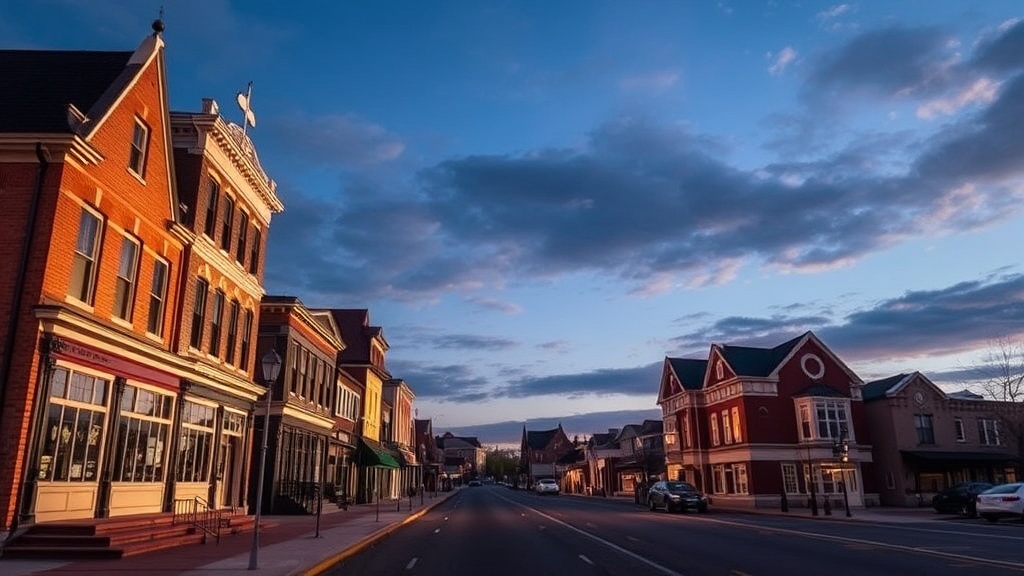
Aylmer QC: Your Ultimate Local Guide to Gatineau's Historic Gem

What Makes Aylmer QC Worth Visiting?
Aylmer delivers the kind of small-town atmosphere that's becoming rare this close to a capital city. Tree-lined streets, 19th-century architecture, and a tight-knit community vibe coexist with Ottawa's skyline visible just across the Ottawa River. This guide covers where to eat, what to do, where to walk, and why locals choose Aylmer over downtown Gatineau or Ottawa's busier neighborhoods. Whether planning a day trip or scouting a place to settle down, you'll find practical specifics here—real restaurant names, actual park locations, and honest assessments of what works (and what doesn't) in this historic corner of western Quebec.
Where Should You Eat in Aylmer?
The dining scene punches above its weight. Aylmer Road and Principale Street cluster most options, though some gems hide on side streets.
Breakfast and Brunch Spots
Café Mulligan on Rue Principale serves the kind of all-day breakfast that keeps locals coming back. The banana bread French toast isn't a gimmick—it's properly executed, thick-cut, and not cloyingly sweet. Coffee comes from Equator Coffee Roasters (the Almonte-based roaster that's become an Ontario-Quebec staple), so the caffeine quality matches the food.
For something lighter, Café La Muse near Parc Aylmer offers solid espresso and house-made pastries. The croissants rival anything in Ottawa's ByWard Market, and the patio catches morning sun perfectly. That said, seating is limited—arrive before 9 AM on weekends or expect to wait.
Lunch and Dinner Options
Chez Lucien remains the neighbourhood institution for pub fare. The fish and chips use fresh cod (not the frozen pre-breaded stuff), and the burger—topped with local cheese from Fromagerie Montebello—holds up against anything in the National Capital Region. The patio fills fast in summer. Reservations aren't accepted for outdoor tables, so timing matters.
Craving something different? Thai Flame on Aylmer Road delivers consistent curries and pad thai. It's not reinventing anything, but the heat levels are accurate (order "Thai hot" at your own risk) and portions are generous.
For upscale dining, L'Orée du Bois in nearby Chelsea (a 10-minute drive north) remains worth the trip. The tasting menus change seasonally, and the wine list features Quebec and Ontario producers alongside French bottles. Tourisme Outaouais maintains updated listings of regional dining options if you're exploring beyond Aylmer proper.
The Craft Beer Scene
Microbrasserie Deschênes operates a brewpub on Boulevard des Allumettières with a patio overlooking the Deschênes Rapids. The Pilsner des Rapides is their flagship—crisp, unpretentious, and designed for summer afternoons. They rotate seasonal taps regularly; the maple porter (available late winter through early spring) divides opinion, but that's kind of the point.
What Outdoor Activities Does Aylmer Offer?
Access to water, trails, and green space defines the Aylmer experience. The Ottawa River isn't just scenery—it's the neighbourhood's backyard.
Parks and Waterfront
Parc Aylmer (sometimes called Aylmer Marina Park) sits at the heart of things. The boardwalk stretches along the river, passing the yacht club and offering clear views of Parliament Hill across the water. It's flat, paved, and accessible—ideal for strollers, mobility devices, or anyone preferring an easy stroll over rugged terrain.
The catch? Parking is limited on summer weekends. Arrive before 10 AM or after 4 PM for easier access.
Parc des Cèdres provides the alternative. Less manicured than Parc Aylmer, it features actual forest trails, picnic spots, and quieter stretches of riverbank. Mountain bikers use the intermediate trails; walkers stick to the main paths. It's where locals go when the marina crowds get overwhelming.
The Gatineau Park Connection
Aylmer sits at the western edge of Gatineau Park—the 361-square-kilometre protected area that dominates the region's outdoor recreation. The Sentier des Terrasses trailhead is roughly 15 minutes from Aylmer's core, offering direct access to hiking routes ranging from 3-kilometre loops to full-day treks.
In winter, the park's cross-country ski trails are world-class. Camp Fortune (technically in Chelsea but accessed via the same road network) provides downhill skiing, snowboarding, and a reputable snow school. The National Capital Commission manages Gatineau Park and posts current trail conditions—worth checking before heading out.
Water Access
The Aylmer Yacht Club isn't exclusive. Non-members can launch small craft (kayaks, canoes, paddleboards) from the public ramp adjacent to the marina. The Ottawa River here is wider than it looks—currents near the Deschênes Rapids require experience. Beginners should stick to the calmer inlet areas.
Several outfitters rent equipment by the hour. Club de Kayak de la Rivière des Outaouais operates seasonally near Parc Brebeuf, offering guided tours and basic instruction.
Is Aylmer a Good Place to Live?
Yes—if specific priorities align with what the neighbourhood actually offers. Families, remote workers seeking space, and empty-nesters looking to downsize without sacrificing amenities tend to fit best.
Housing and Neighbourhoods
Aylmer's housing stock splits roughly into three categories: historic homes near the village core (Victorian and early 20th-century architecture), 1960s-1980s bungalows in established suburbs like Mountview and Wychwood, and newer developments west of Boulevard des Allumettières.
The historic homes have character—wraparound porches, original hardwood, mature gardens. They also have aging infrastructure. Basement moisture isn't uncommon; inspections matter.
Newer builds offer modern efficiency and open-concept layouts. The trade-off? Less tree cover, smaller lots, and a suburban feel that lacks the walkability of the older core.
| Neighbourhood | Typical Housing | Walk Score | Best For |
|---|---|---|---|
| Aylmer Village (core) | Historic homes, some condos | High (70+) | Couples, professionals, empty-nesters |
| Mountview | Mid-century bungalows, split-levels | Moderate (50-60) | Families, first-time buyers |
| Deschênes | Mixed housing, some waterfront | Moderate | Outdoor enthusiasts, boaters |
| Plateau/McLeod | Newer subdivisions, townhomes | Low-Moderate | Young families, commuters |
Commuting and Transportation
Here's the thing about Aylmer—it's technically part of Gatineau, but it doesn't feel connected to downtown Gatineau. The STO (Société de transport de l'Outaouais) runs bus routes to Ottawa's downtown core, with express service during rush hours. The 55 and 59 routes connect Aylmer to the Tunney's Pasture LRT station in roughly 25-35 minutes depending on traffic.
Driving to Ottawa? The Alexandra Bridge and Portage Bridge are your main options. Both back up during morning and evening rush. The Champlain Bridge (connecting to Ottawa's west end) sometimes offers faster access depending on your destination. STO's official site provides real-time bus tracking and route planning.
Cycling infrastructure exists but has gaps. The Sentier des Voyageurs Pathway runs parallel to the Ottawa River, connecting Aylmer to Parc Brebeuf and eventually the broader National Capital Region trail network. It's scenic, well-maintained, and separated from vehicle traffic. Getting from residential neighbourhoods to the pathway, however, often requires sharing roads with traffic.
Schools and Services
French-language public schools fall under Commission scolaire des Portages-de-l'Outaouais. École secondaire D'Arcy-McGee serves most Aylmer teens. English public options are limited—most anglophone families navigate the Western Quebec School Board, with Hadley Junior High and Philemon Wright High School serving the area.
Healthcare access is reasonable. The Gatineau Hospital (part of CISSS de l'Outaouais) handles emergencies and major procedures—it's a 15-minute drive from central Aylmer. Several CLSC locations provide primary care, though finding a family doctor requires persistence (a regional issue, not specific to Aylmer).
What About Shopping and Local Business?
Aylmer Road functions as the commercial spine. Independent shops mix with chains—there's a IGA and Metro for groceries, but also Boucherie Aylmer for specialty meats and Les Trois Sœurs for curated home goods.
Peter Piper's Pickles (yes, really) makes small-batch fermented products sold at the Aylmer Farmers' Market. The market operates Saturdays from May through October in the Anglican Church parking lot. Vendors sell produce from Ferme Lève-tôt (organic vegetables from nearby Luskville) and prepared foods from various local producers.
For bigger shopping trips, Les Promenades Gatineau (in the eastern part of Gatineau) and Bayshore Shopping Centre (across the river in Ottawa's west end) offer standard mall experiences. Most Aylmer residents mix local shopping for specialty items with periodic trips to larger centres for selection.
Worth noting: Aylmer's business community is tight. Shop owners know each other. Events like Rendez-vous des saveurs (a fall food festival) and summer sidewalk sales aren't just marketing—they're genuine community gatherings. The Aylmer Heritage Association runs walking tours highlighting architectural history; check their schedule if you're curious about the stories behind those Victorian facades.
Aylmer isn't trying to be Ottawa. It isn't trying to be trendy. It's a working community with good food, proper access to nature, and enough distance from the political circus across the river to maintain its own rhythm. Some find it sleepy. Others find that the point.