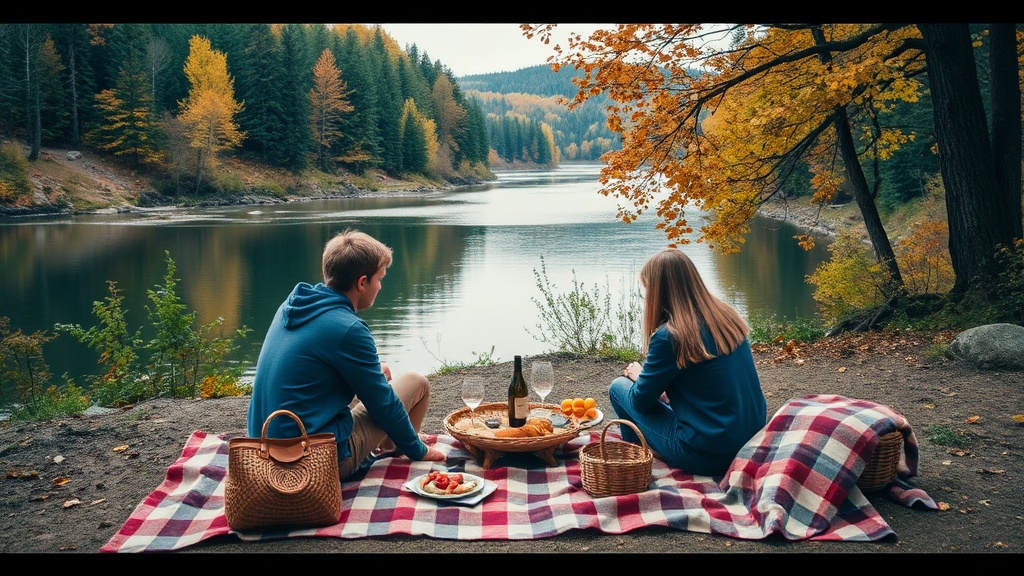
Planning a Perfect Seasonal Picnic Near the Gatineau River

This guide provides everything you need to plan a seasonal picnic along the Gatineau River, covering gear selection, food safety, and the best local spots for different times of the year. You'll find specific advice for the shifting weather in the Outaouais region so your outdoor meal doesn't end in a soggy mess or a cold disappointment.
What is the Best Time of Year for a Picnic Near the Gatigue River?
The best time for a picnic depends on whether you want warmth or cooler temperatures, but late spring through early autumn offers the most reliable weather for the Gatineau River area. If you're aiming for a summer outing, July and August are peak months, though the humidity can be a bit much. For those who prefer a crisp breeze, September provides much better light and fewer mosquitoes.
The Gatineau River's temperament changes with the seasons. In the spring, the water levels are high and the air is damp. In the winter, the river freezes, and while you can't have a traditional picnic, a thermos of hot tea by the frozen shore is a different kind of way to enjoy the view. (I've personally found that October is the sweet spot—the colors are unbeatable and the crowds are much thinner.)
If you're planning for a warmer month, keep in mind that the sun hits the riverbanks hard. You might want to look into the Parks Canada guidelines for certain protected areas to ensure you're staying in legal picnic zones. Some areas near the water are sensitive to foot traffic and heavy use.
Seasonal Weather Cheat Sheet
| Season | Typical Vibe | Must-Pack Item |
|---|---|---|
| Late Spring | Fresh, green, slightly damp | Light waterproof jacket |
| High Summer | Hot, humid, many insects | High-quality insect repellent |
| Early Autumn | Crisp, colorful, perfect light | A heavy wool blanket |
| Late Autumn | Chilly, windy, quiet | Insulated thermos |
How Much Does a Quality Picnic Setup Cost?
A decent picnic setup can cost anywhere from $50 for a basic grocery run to over $500 if you're investing in high-end outdoor gear. Most people spend much more on the food than the actual equipment, but don't overlook the quality of your containers.
If you're just starting out, you don't need to go to a specialty store. A simple way to prep is to grab a picnic basket for a day at the park using what you already have in your kitchen. However, if you're planning on doing this regularly, investing in a few key pieces makes a difference.
Here is a breakdown of typical spending for different levels of enthusiasts:
- The Casual Diner ($30 - $60): A reusable bag, a basic loaf of bread, some local cheese, and a cheap insulated water bottle.
- The Weekend Adventurer ($100 - $250): A dedicated picnic basket, a proper cooler bag (like a Yeti or a Coleman), and more substantial meal components.
- The Gear Enthusiast ($400+): High-end waterproof blankets, heavy-duty insulated containers, and perhaps a portable stove or specialized dining sets.
It's worth noting that the food quality often dictates the cost more than the gear. A spread of artisanal cheeses from a local market will obviously run a bit higher than a standard deli sandwich. But honestly, that's half the fun of a planned outing.
Which Food Items Stay Fresh the Longest Outdoors?
Hard cheeses, cured meats, and dense breads stay fresh the longest and are the safest bets for outdoor dining without heavy refrigeration. You want to avoid anything that relies heavily on dairy or highly perishable sauces if you aren't carrying a high-performance cooler.
The heat near the river can be intense. If you're bringing something that needs to stay cold, don't rely on a standard grocery store bag. Use a dedicated cooler. I've used the Yeti Roadie for many trips, and the thermal retention is actually worth the price if you're out for more than two hours.
Avoid these items if you don't have a high-quality cooler:
- Mayonnaise-based salads (potato salad, egg salad).
- Freshly sliced soft fruits like peaches or ripe berries (they get mushy fast).
- Chocolate-coated snacks (they'll turn into a puddle in minutes).
- Soft cheeses like Brie or Camembert (unless they are kept strictly on ice).
Instead, try focusing on items that are hearty. Think crusty baguettes, hard cheeses like Manchego or aged Cheddar, and perhaps some dried fruits or nuts. These items handle the bumps in the road and the heat of the afternoon much better.
If you want to add a bit of flair, grab some local brews to go with your meal. You can find some great options if you check out these local artisan brews to see what's currently popular in our area. A good local cider or a light ale is much more refreshing than a heavy soda when the sun is beating down on the river.
What Gear Should I Bring for a Riverfront Picnic?
The most important gear items are a waterproof ground cover, a reliable insect repellent, and a way to manage waste. The terrain near the Gatineau River can be uneven and, depending on the season, potentially damp or muddy.
Don't just bring a standard cotton towel. You need something with a waterproof backing. A high-quality outdoor blanket from a brand like Pendleton or even a basic heavy-duty tarp can save you from a damp bottom. It's a small detail, but it changes the entire experience.
Don't forget the "small" things that people always leave behind:
- Wet wipes and hand sanitizer: Sticky fingers are the enemy of a good meal.
- A trash bag: Leave no trace. This is a huge deal in our local parks.
- Sunscreen: Even if it's cloudy, the reflection off the water can burn you.
- A lightweight chair: Sometimes sitting on the ground, even with a blanket, gets old after an hour.
If you're looking for more scenic spots to set up your gear, you might enjoy the best waterfront walks in Aylmer. These paths often lead to perfect, secluded little nooks that are ideal for a meal away from the main crowds.
One thing to keep in mind—if you're bringing a heavy basket or a cooler, make sure you have a way to carry it. A backpack-style cooler is a lifesaver if you have to walk a bit from your car to the actual riverbank. It keeps your hands free for navigating uneven paths or holding onto a walking stick.
Lastly, if you're heading out in the late afternoon, bring a light layer. The temperature drops surprisingly fast once the sun dips behind the trees. A simple Patagonia Nano Puff or even a denim jacket will make the transition from "lunch" to "relaxing by the water" much more comfortable.
Steps
- 1
Choose Your Menu
- 2
Pack the Essentials
- 3
Pick the Perfect Spot
- 4
Enjoy the View