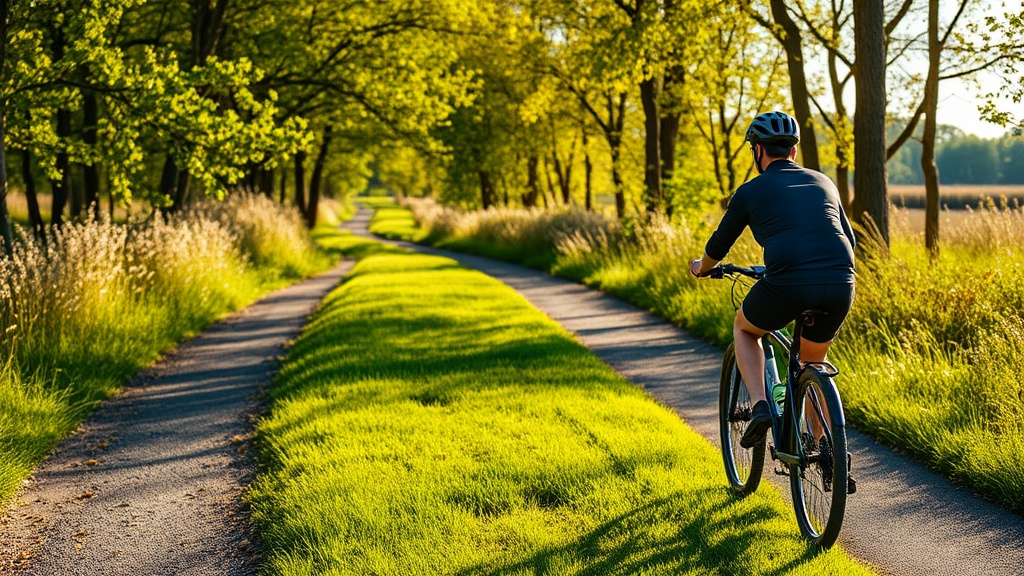
Exploring the Best Cycling Paths and Biking Routes in Aylmer

A cyclist pulls up to a trailhead, wipes sweat from their forehead, and realizes they forgot their water bottle in the car. They look at the sun, see the long stretch of paved path ahead, and realize they're in for a long, thirsty ride. It’s a small mistake, but it happens to the best of us.
This guide breaks down the best cycling routes in and around the Aylmer area, from paved paths for families to more rugged trails for serious riders. We'll look at where to find the best views, how to prepare for the terrain, and which routes are best for different skill levels. Whether you're riding a vintage Schwinn or a high-end Trek, knowing the local layout makes a big difference.
What are the best cycling paths in Aylmer?
The best cycling paths in Aylmer include the paved pathways along the Gatineau River and the interconnected trail systems that connect residential pockets to local parks. For most people, the paved sections are the go-to because they're much easier on the tires and safer for kids.
If you want something smooth, head toward the riverfront. The paths here are wide and well-maintained, making them perfect for casual riding. You'll see plenty of people out here with strollers or even small kids on balance bikes. It's a great way to soak in the scenery without worrying about potholes or loose gravel.
For those who want a bit more of a challenge, there are some gravel-based routes that lead into the more wooded areas. These aren't "technical" mountain bike trails, but they require a bit more focus. If you're using a road bike with thin tires, you might want to stick to the main paved arteries to avoid a flat.
Top Three Local Routes
- The Riverfront Loop: Best for families and casual cruisers. It's mostly flat and offers great views of the water.
- The Residential Circuit: A series of connected streets and paths that allow you to loop through different neighborhoods without hitting heavy traffic.
- The Wooded Backroads: Ideal for gravel bikes or hybrid bikes. These routes feel more secluded and offer a bit of shade during the warmer months.
If you're looking for a place to rest after a long ride, you might want to check out where to find the best coffee and pastries in Aylmer to refuel. A quick stop for a latte and a croissant makes the ride feel even more rewarding.
How much gear do I need for a local ride?
You need a reliable bicycle, a helmet, and a basic repair kit to enjoy the local routes safely. While you don't need to be a professional athlete, having a few essentials prevents a good ride from turning into a bad afternoon.
First and foremost, the helmet is non-negotiable. It doesn't matter if you're just riding a block away; safety-wise, it's the one thing you shouldn't skip. A well-fitting helmet from a brand like Giro or Specialized makes a huge difference in comfort.
Next, consider your bike type. If you plan on sticking to the paved paths near the river, a road bike or a hybrid is perfect. If you're leaning toward the gravel routes, a bike with slightly wider tires will handle the bumps much better. It's worth noting that even a basic mountain bike can handle the local gravel paths just fine.
| Gear Item | Recommended For | Must-Have? |
|---|---|---|
| Standard Helmet | Everyone | Yes |
| Hydration Pack/Bottle | Longer rides (10km+) | Highly Recommended |
| Small Tool Kit | Gravel/Outback riding | Yes |
| High-Visibility Vest | Early morning/Evening | Optional but helpful |
Don't forget a pump. There's nothing worse than realizing your tire is low right as you start your ride. A small, portable pump like the Lezyne models can save you a lot of grief.
What is the best time of year to cycle in Aylmer?
The best time to cycle in the Aylmer area is between late May and early October when the weather is mild and the trails are clear of snow and debris. This window offers the most predictable riding conditions and the best scenery.
Spring can be a bit tricky. While the snow melts, the trails can stay muddy for a while, especially the unpaved sections. If you're riding during this time, you might find yourself dodging puddles or dealing with a bit of sludge. It's a great time to test your bike's durability, but it's not the most "polished" experience.
Summer is obviously the peak season. The Gatineau River area is beautiful during these months, though it can get busy on weekends. If you prefer a quieter ride, try heading out on a weekday morning. The light hitting the water is spectacular during the early hours.
Autumn is arguably the best season for cyclists who love a good view. The changing colors of the trees along the river make the ride feel much more special. The air is crisp, and the temperature is perfect for physical exertion. Just be prepared for shorter days—it gets dark much faster than you'd expect.
For more information on local outdoor regulations and safety, you can always check the Ontario Parks and Trails official website. They provide updated information on trail conditions and seasonal accessibility.
Winter cycling is a different beast entirely. Unless you have a dedicated winter bike with studded tires and high-quality fenders, I'd suggest sticking to the indoor trainers during the coldest months. The local paths can become quite icy, which makes even the paved sections a bit treacherous.
If you're planning a ride that involves a stop in a park, you might want to look into planning a perfect seasonal picnic near the Gatineau River. It’s a great way to combine a cycling excursion with a relaxing afternoon outdoors.
When you're out on the trails, keep an eye on the weather. Even if it looks clear when you leave your house, the weather near the river can shift quickly. Carrying a lightweight windbreaker or a packable shell—something like a Patagonia Nano Puff—can be a lifesaver if a sudden breeze picks up.
One thing to remember: always yield to pedestrians on the multi-use paths. These paths are shared spaces. It's easy to get into a "flow" state while cycling, but a little awareness goes a long way in keeping everyone safe. A quick nod or a friendly "hello" as you pass someone can make the whole experience more pleasant for everyone involved.
The local community is generally very friendly toward cyclists. You'll see plenty of regular riders out and about, and it's common to see people stopping to chat near the riverfront. It's a great way to feel connected to the area.